Technology & Process
A vertically integrated system that converts sargassum and waste plastics into building materials, agricultural products, and clean energy - all in one carbon-negative facility.
The Complete Process
From beach to value: a closed-loop system
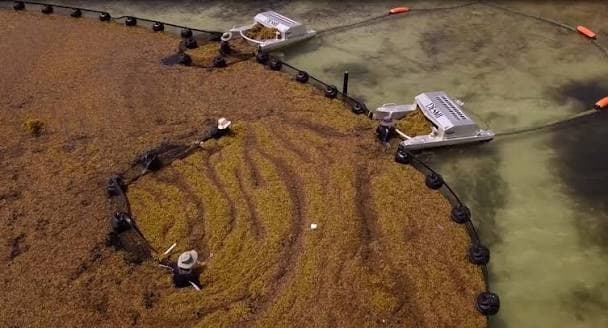
Collection
Sargassum is harvested from beaches using environmentally conscious methods. Our marine-safe collection process protects ecosystems while removing excess biomass that would otherwise decompose and release methane.
Drying & Pre-processing
Collected seaweed is transported to our facilities for mechanical drying and preliminary processing. Sand, salt, and contaminants are removed. Recycled plastics are sorted and shredded for composite blending.
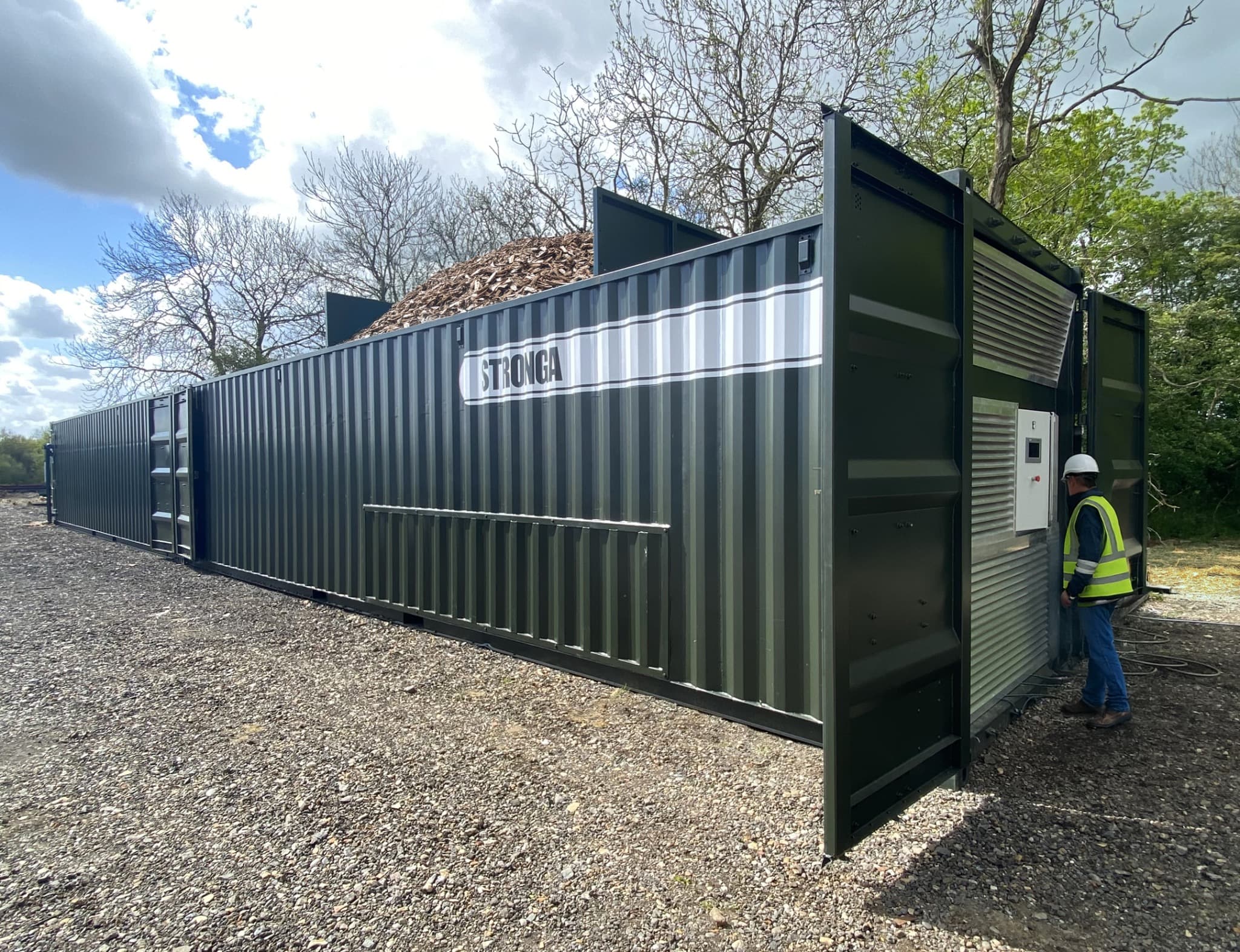
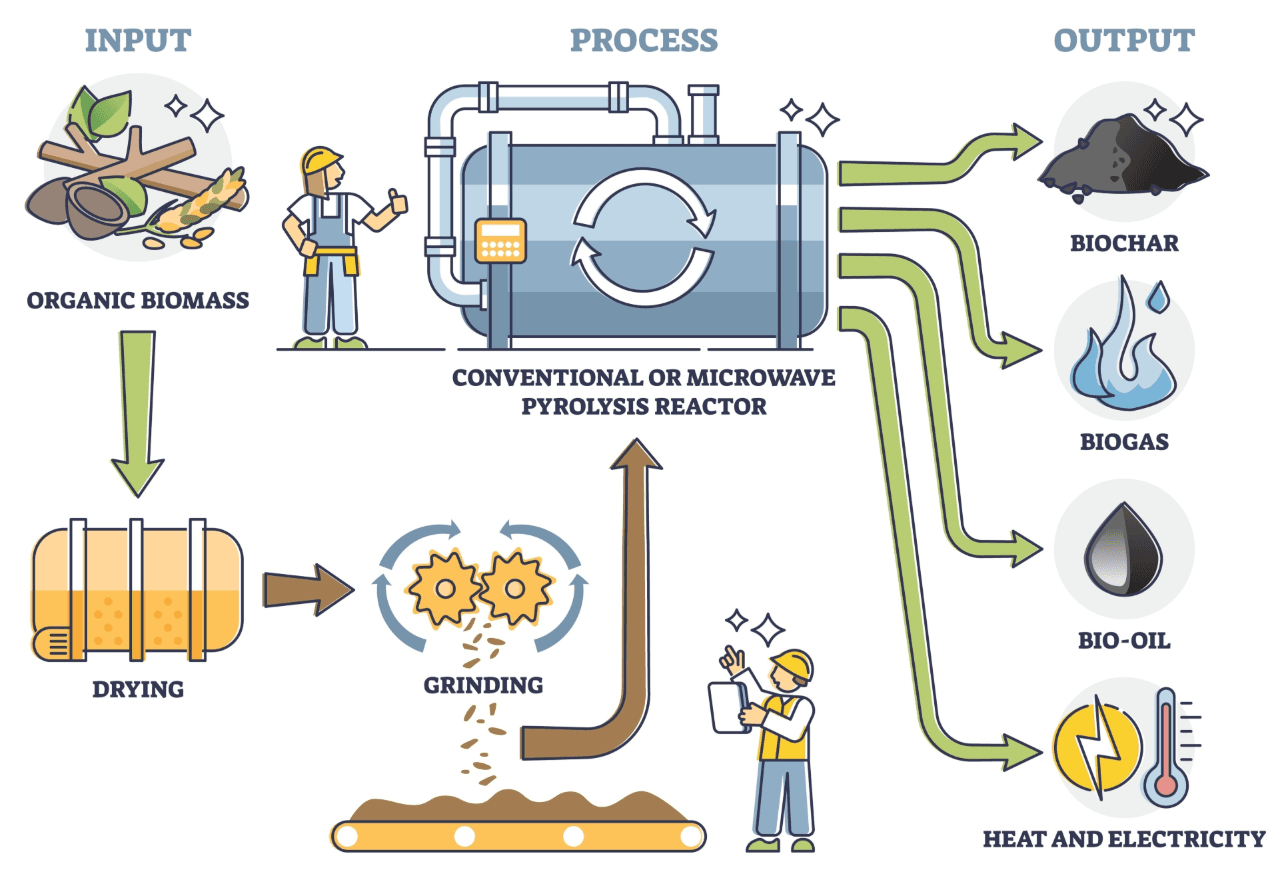
Thermochemical Conversion
Advanced pyrolysis converts dried sargassum into biochar, bio-oil, and synthesis gas. The syngas powers our manufacturing facility - making the entire operation energy self-sufficient and carbon negative.
Composite Manufacturing
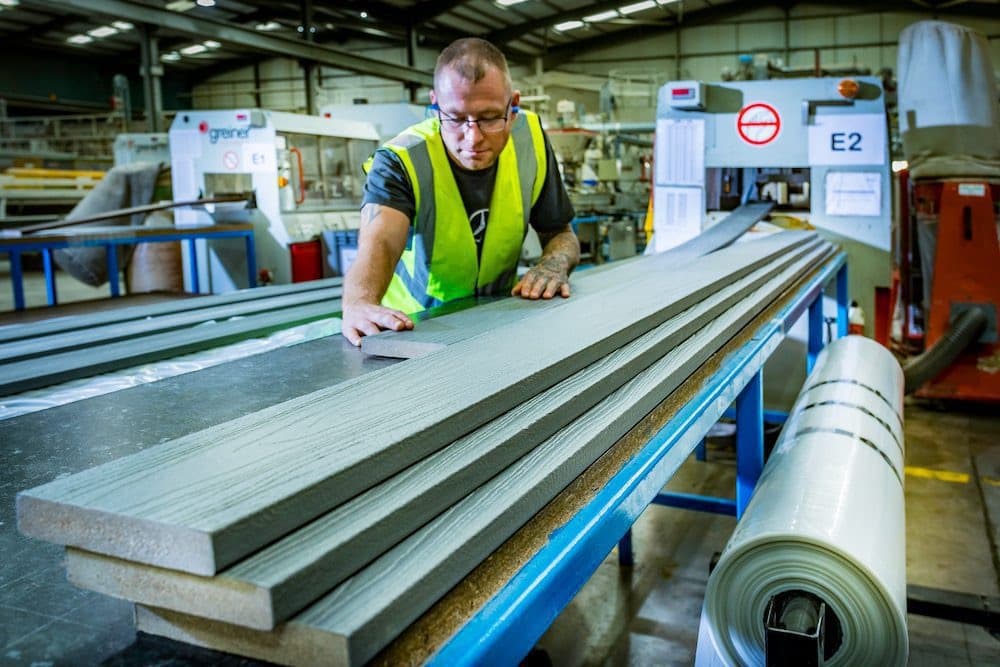
Sargassum fiber and recycled plastic are compounded into composite pellets, then extruded or molded into boards, tiles, and structural profiles. Biochar and biostimulants are refined for agricultural markets.
What Comes Out
Multiple value streams from one integrated process
Composite Building Materials
Boards, tiles, structural profiles, and pellets made from sargassum fiber + recycled plastic.
View Materials →Biochar & Biostimulants
Carbon-negative soil amendments and plant growth enhancers for regenerative agriculture.
View Agriculture Products →Renewable Energy
Syngas-powered electricity that runs the facility and feeds surplus back to local grids.
View Impact →Technology & Safety Standards
Our thermochemical conversion process is engineered to the highest international standards, ensuring minimal environmental impact and maximum energy efficiency.
- ISO 9001 & 14001 certified processes
- Zero-waste production methodology
- Real-time monitoring and emissions control
- Third-party environmental audits
Continuous Innovation
We invest 20% of revenue back into R&D, partnering with leading universities to improve conversion efficiency, reduce costs, develop new composite formulations, and expand agricultural product applications.
Higher-strength composite formulations
New biochar activation methods
Waste plastic sorting automation
Process energy efficiency optimization